“UX designers need to be more strategic.” You’ve probably heard this at least once in conversations about the future of design. But what does it actually mean? And where is that shift coming from? Unsurprisingly, it’s rooted heavily in the rise of AI. In this article, we’ll explore:
- How AI is creating a new interaction paradigm, and why that changes the UX designer’s role
- Why UX design is becoming more strategic (and what that looks like in practice)
- Why UX research matters more than ever
- What new career opportunities could emerge as designers become more involved in product strategy and decision-making
- How to develop the skills and mindset needed to thrive in an increasingly AI-powered UX world
Let’s jump in.
AI is changing how we interact with products, and how designers create them
To understand why UX is becoming more strategic, it’s important to first consider how AI is changing the product landscape.
Let’s imagine you’re designing a shopping app. Pre-AI, your design process would focus on helping users find the right products and complete their purchase with as little friction as possible. You’d refine the search experience, improve the app’s information architecture and ensure a smooth checkout.
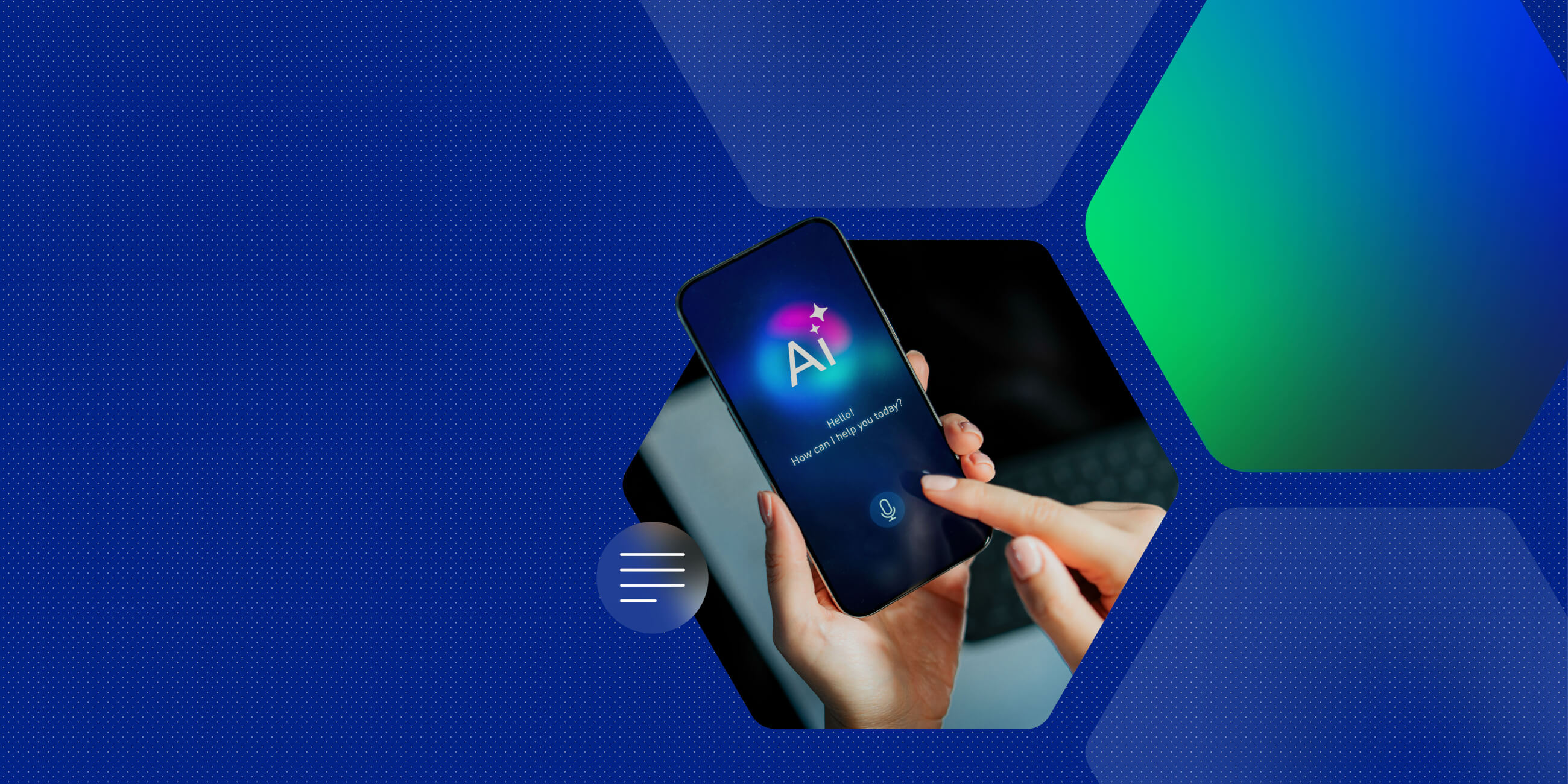
Now imagine you’re designing the same app, but with an AI shopping assistant built in. It can answer questions, recommend products based on the user’s preferences, and compare different options. It might even be capable of purchasing products on the user’s behalf. Suddenly, you’re not just thinking about how someone moves through the app.
You’re also deciding what role the AI should play within the experience. Should it be allowed to make purchases automatically? When should it ask for approval? How should it explain its recommendations? What happens when it gets something wrong? The key thing to notice is that these questions go beyond the interface.
They’re broader product questions that affect user trust and business goals. That means designers are contributing to decisions that sit much earlier in the product development process. They’re helping teams define the boundaries of AI and think through the implications for the user experience.
As AI becomes part of more digital experiences, designers are finding themselves involved in bigger conversations about how humans and AI should work together. That’s a very different challenge from simply designing a flow or optimising a screen, and it’s where the move towards more strategic UX begins.
Why UX design is becoming more strategic (and what that looks like in practice)
So what does “more strategic UX” actually mean? Put simply, it means that designers are becoming more involved in decisions that shape the product itself, not just the interface.
Let’s return to our shopping app example. Imagine the product team is discussing whether the AI assistant should be allowed to place orders automatically once it finds a product that matches a user’s preferences and budget. From a technical perspective, that might be entirely possible.
But should it happen? The answer depends on much more than what the technology can do. How comfortable are users handing over control? What are the consequences of getting it wrong? What’s the context?
UX designers play a critical role in answering these questions. Understanding people has always been at the heart of UX. Designers know how to uncover what users need from a product, where friction might arise, and how different design decisions can shape the overall experience.
That perspective becomes especially valuable when AI enters the picture. An engineer might focus on what the technology is capable of. A business stakeholder might focus on efficiency or growth. UX designers bring a different lens: how will this decision affect the people using the product?
They’re helping product teams understand user expectations, identify potential risks and think through the trade-offs involved in introducing AI into an experience. In many cases, they’re also helping define what success looks like before a single screen has been designed.
This is what strategic UX looks like in practice. Designers are contributing to conversations about product direction and helping teams make decisions that influence how the product works, not just how it looks. The challenge, of course, is that many of these decisions don’t have obvious answers.
How much control do users want to hand over to AI? What makes an AI-powered experience feel trustworthy? How do people’s expectations differ from what product teams assume? To answer questions like these, teams need evidence, not assumptions. And that brings another critical point to the forefront: the importance of user research.
Why UX research matters more than ever when designing AI-powered products
One of the biggest challenges with AI-powered products is uncertainty. When designing a more traditional digital experience, you can often rely on established patterns and conventions.
You have a reasonable idea of how users will navigate a website or use a standard search function. AI changes that. How much control are users happy to relinquish? What information do they need before they trust the AI’s recommendations? When does automation feel helpful, and when does it start to feel uncomfortable?
In many cases, you simply don’t know the answers upfront. That’s where research comes in. Research is one of the most effective ways to uncover the “unknown unknowns” that emerge when people start interacting with new technologies. It helps you move beyond assumptions and understand how users actually think, behave and make decisions. And the insights can be surprising.
A feature that seems useful during a planning workshop might create confusion once it’s tested with real users. An AI capability that excites the product team may turn out to solve a problem nobody actually has. Research helps surface these insights early, before assumptions become product decisions.
And because those insights can influence everything from product direction to AI implementation, research is becoming much more than a validation exercise. It’s a critical tool for navigating uncertainty and making better decisions. That gives UX designers a unique opportunity to shape the direction of AI-powered products.
The insights you uncover don’t just influence the interface; they can help determine how AI is used, where it adds value, and what kind of experience the product ultimately delivers. That’s another reason we’re likely to see UX professionals playing a bigger role in product strategy over the coming years.
|
What new career opportunities could emerge as UX becomes more strategic?
This shift towards more strategic UX creates some exciting career opportunities. In the early days of AI, you might have wondered whether AI would eventually replace UX designers.
But actually, what we’re seeing is that AI is reinforcing the need for (human) product experts. As a result, we expect to see designers becoming more involved in product strategy, roadmap planning and cross-functional decision-making.
In some organisations, that may lead to more leadership opportunities. In others, it may mean designers taking a more active role in shaping the future direction of a product. The common thread is influence. As organisations integrate AI into more products and services, they need people who can understand user needs, challenge assumptions and help ensure new capabilities deliver real value.
That’s creating opportunities for designers to contribute beyond the interface layer and play a bigger role in product decision-making. For a closer look at where the UX job market is headed, check out our round-up of the most in-demand job titles in 2026 and beyond.
|
How to thrive as a UX designer in an AI-powered future
If there’s one takeaway from this article, it’s that the future of UX isn’t just about learning new tools; it’s about expanding your perspective. As AI becomes a bigger part of digital products, designers will increasingly be asked to contribute to conversations about product direction, user behaviour and decision-making.
That means looking beyond individual screens and thinking about the broader experience a product is trying to create.
Curiosity will become even more important. That might mean spending more time exploring emerging AI products, questioning established assumptions or getting involved in product discussions earlier in the design process. The most effective designers won’t assume they already know the answers.
They’ll ask questions, challenge assumptions and look for evidence before making decisions. They’ll be comfortable exploring new problems, even when there isn’t a clear playbook to follow. Strong research skills will continue to be a major advantage. So will the ability to communicate insights, collaborate across disciplines and connect user needs with broader business goals.
Perhaps most importantly, designers will need to stay focused on the people using the product. AI may change how products are built and how users interact with them, but the fundamental purpose of UX remains the same: understanding human needs and designing experiences that genuinely help people.
Key takeaways and next steps
AI is changing how we interact with digital products and, as such, the role of the UX designer. Here’s what to remember:
- AI is changing the nature of UX design. Designers are no longer just shaping interfaces; they’re increasingly helping define how humans and AI systems work together.
- UX is becoming more strategic because AI introduces product-level questions that don’t have obvious answers. Decisions around trust, autonomy and human oversight require designers to think beyond individual screens and user flows.
- Research is becoming even more valuable. As teams navigate new technologies and evolving user expectations, UX research helps uncover the insights needed to make informed product decisions.
- UX designers are gaining influence beyond the interface. They’re increasingly helping shape product decisions, define the role of AI and influence how products evolve over time.
- The most valuable UX skills remain deeply human. Curiosity, critical thinking, research and user advocacy will continue to play a vital role as AI becomes a bigger part of digital experiences.
- Keeping up with the latest UX and AI trends is becoming an essential part of the role. As AI evolves rapidly, designers need to stay informed about new tools, best practices and emerging thinking. Following industry resources, such as the Top 80 UX Blogs, can help designers stay ahead of changes and continue building relevant, future-ready skills.
Next steps
If you’re preparing for a future in AI-powered product design, start by asking yourself a few key questions:
- How much do I understand about the opportunities and limitations of AI?
- Am I comfortable contributing to conversations about product strategy, or do I focus primarily on interface design?
- How can I strengthen my research skills and uncover deeper user insights?
- What assumptions am I making about how people will interact with AI-powered products?
- How can I become a stronger advocate for users in cross-functional discussions?
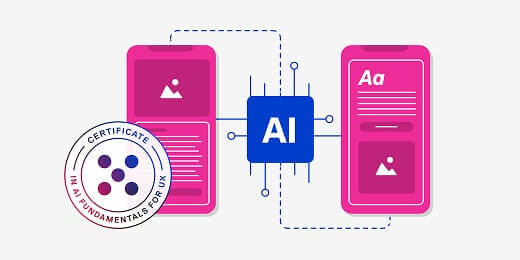
These are the kinds of questions that will help you develop the strategic mindset needed for the next generation of UX design. Want to deepen your understanding of AI and its role in the UX process? Check out our Certificate in AI Fundamentals for UX. You’ll learn how AI works and how it’s being used in practice, as well as how to prompt effectively and incorporate AI into both research and design. For more industry guides and insights, continue with the following:
- The UX job market: What roles are growing and what skills matter most
- How to design for human-agent handoff in AI products: a practical guide
- Designing for AI search: everything you need to know about LLM interfaces and machine experience (MX)

Emily is a professional writer and content strategist with an MSc in Psychology. She has 8+ years of experience in the tech industry, with a focus on UX and design thinking. A regular contributor to top design publications, she also authored a chapter in The UX Careers Handbook. Emily also holds a BA in French and German and is passionate about languages and continuous learning.