The job market in 2026 is competitive, fast moving and shaped by AI at every stage.
Companies are using AI to screen applicants and job seekers are using it to tailor their CVs, which increases application volume and lengthens the hiring timeline. With an average time to hire of 40 to 60 days, candidates often apply for more roles to improve their chances. This means employers receive more applications than ever and standing out requires a strategic and thoughtful approach.
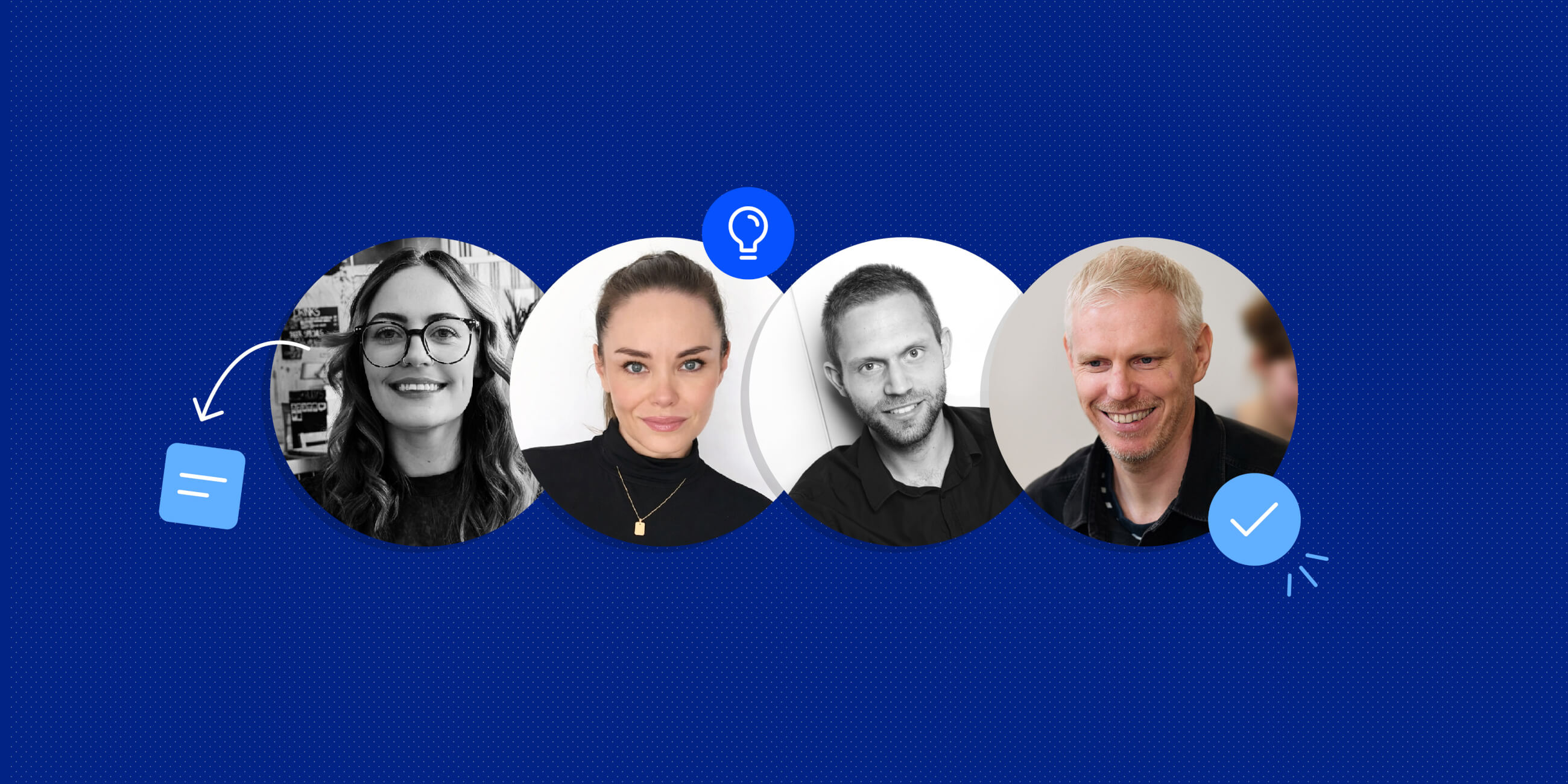
Looking for a job can be daunting, but we prepare our students to face this exciting and sometimes intimidating process with confidence. At the UX Design Institute, our career coach Eoghain plays a key role in helping students navigate the job search.
Eoghain is a fantastic career advisor. The portfolio review included practical tips and strengthened my chances of getting a job. Always went the extra mile and I am very grateful.
Eoghain works closely with learners to help them feel prepared, confident and clear on their next steps. With years of experience supporting career changers and early stage designers, Eoghain has helped thousands of students refine their CVs, strengthen their portfolios, prepare for interviews and approach their job search with intention, even as the landscape shifts due to AI.
In this guide, you will find the 6 most effective job search practices for 2026, together with a hand picked selection of job boards, all put together by Eoghain.
Effective job search now requires a multifaceted approach:
1. Tailoring your CV and optimising for ATS:
ATS is one of the biggest stumbling blocks, because many CVs are filtered out by AI before a human ever sees them. That is why tailoring your CV with the right keywords is so important.
- Use keywords from job descriptions in your resume and LinkedIn, but also use simple templates (avoiding complex graphics) for Applicant Tracking Systems (ATS).
2. Enhance your online presence:
Recruiters will search for you online, so your digital footprint is part of your first impression. And first impressions matter.
- Polish your LinkedIn profile with a professional photo, headline, and experience.
- Actively join relevant professional groups on LinkedIn and engage in discussion.
3. Networking:
Building relationships leads to insights that job boards alone cannot always provide, helping you tailor your applications more effectively and stand out.
- Prioritise human connection: Don’t just rely on job boards; real connections are key.
- Network actively: Join LinkedIn groups, attend virtual/in-person job fairs, and build relationships with recruiters and hiring managers.
- Personalise outreach: Directly message hiring managers or decision-makers with tailored, value-driven messages.
4. Take a targeted approach to applications:
Recruiters quickly scan for relevance, so tailored applications stand out immediately. Customise your CV and cover letter for every job and highlight skills and achievements that match the role.
- Tailor everything: Customise your CV and cover letter for each job, highlighting relevant skills and achievements, not just responsibilities.
- Focus on impact: Use strong action verbs and put an emphasis on quantifiable achievements in bullet points, rather than a description of your job.
- Be concise: Aim for a 1-page CV, if possible and cut unnecessary fluff like descriptions of your role, achievements are what can differentiate you.
- Keep track of your applications and responses, this will help you identify which types of companies are likely to respond positively.
5. Interview and follow-up:
Interviews are your chance to show more than your CV can, so preparation and genuine engagement can make you memorable. Following up shows professionalism and interest, which can strengthen your position.
- Research deeply: Understand the company’s mission, values, and recent news.
- Practice: Prepare answers, but don’t sound robotic; show emotional intelligence and attitude.
- Post-interview: Send prompt, genuine thank-you notes mentioning specific conversation points.
- Stay persistent: Keep applying and interviewing to build confidence and keep options open.
6. Mindset and market awareness:
The market shifts quickly, so being informed helps you make better decisions and position yourself well.
- Stay current: Read industry publications to understand trends like hybrid work, automation, and wellness.
- Define goals: Be clear on what you want and frame your search intentionally. Companies often see candidates that take deliberate steps towards a goal, such as working in a specific team, as worth investing in since they are likely to spend more time in the role.
Design job boards:
- Hyper Island
- Dribbble
- If You Could
- The Dots
- Design Jobs Board
- Coroflot
- Awwwards
- Creative Access
- Ideate Jobs Board
- UX Jobs Board
- UX Remote Jobs
- UX UI Jobs Board
- IxDA Jobs Board
- UXPA Jobs Bank
- Otta Jobs Board
- Booom Jobs Board
- UXcel Jobs Board
Junior specific job boards:
Research job boards:
Content Design/UX Writing job boards:
Remote job boards:
- FlexJobs
- Remote.co
- JustRemote
- Pangian
- Remotive
- Remote OK
- Working Nomads
- Jobspresso
- EuropeRemotely
- Outsourcely
- Power To Fly
- Landing Jobs
- Authentic Jobs
- AngelList
- Career Vault
- Design Remotely
Freelance job boards:
Job search in 2026 may feel complex, but it is also full of opportunity for designers who approach it with clarity and intention. By tailoring your applications, strengthening your online presence, building real connections and staying focused on your goals, you give yourself every chance to stand out in a crowded and competitive market.
Remember that you do not need to navigate this process alone. With expert guidance from our career coach Eoghain and the structured support built into our programmes, you will be well prepared to take each step with confidence.
Whether you are refining your CV, preparing for interviews or exploring new job boards, the right strategy can make a meaningful difference.
If you found this article helpful, take a look at these:
- Your guide to landing a job in UX: Top insights from UX Design Institute’s State of UX Hiring Report
- UX graduates in action, stepping into 2026
- AI job apocalypse? The numbers say no